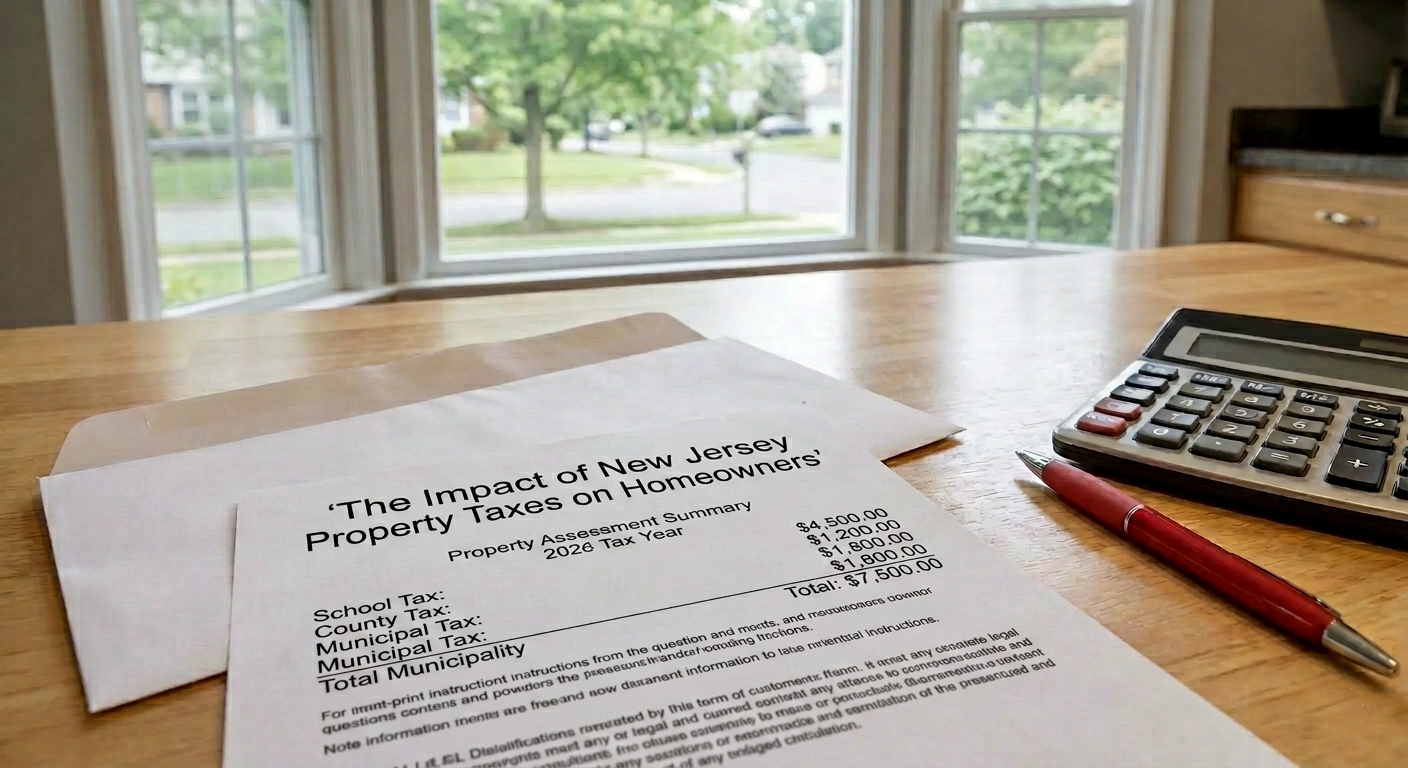
Property taxes are one of the most important recurring housing expenses for many New Jersey homeowners.
For buyers, the key is to evaluate the total monthly and annual cost of ownership rather than focusing only on the purchase price.
Two homes with similar prices can have very different carrying costs if their tax bills differ significantly. This can affect mortgage qualification, monthly cash flow, and long-term affordability.
Buyers should review current property-tax information and understand that future taxes are not guaranteed to remain unchanged.
Investors should incorporate taxes directly into rental and resale models. A property that appears attractive before taxes may produce a very different return after all expenses are included.
Sellers should also understand how taxes can affect buyer perception. A higher tax bill can reduce the pool of buyers who qualify for or are comfortable with the property.
Property taxes are only one component of housing cost, but they are often substantial enough to influence purchase decisions.
When comparing towns, look beyond the tax bill alone. Evaluate the complete combination of housing price, taxes, insurance, commute, services, property condition, and market demand.
Because tax matters can be complex, buyers and sellers should verify current information and consult qualified professionals when appropriate.
A strong real estate decision considers taxes from the beginning—not after an offer has already been made.
Thinking about buying, selling, or investing in New Jersey or New York? Contact Citi Living Solutions to discuss your goals and next steps.