
If you inherited a property involving direct sale versus open-market listing, the first step is to slow down and separate the emotional decision from the practical one. An inherited home is an asset that needs to be understood before the family chooses what to do with it. Start by collecting the documents connected with the property: the deed or ownership information, property-tax records, mortgage or...

Selling guides
If you inherited a property involving selecting an estate-property broker, the first step is to slow down and separate the emotional decision from the practical one. An inherited home is an asset that needs to be understood before the family chooses what to do with it. Start by collecting the documents connected with the property: the deed or ownership information, property-tax records, mortgage or...
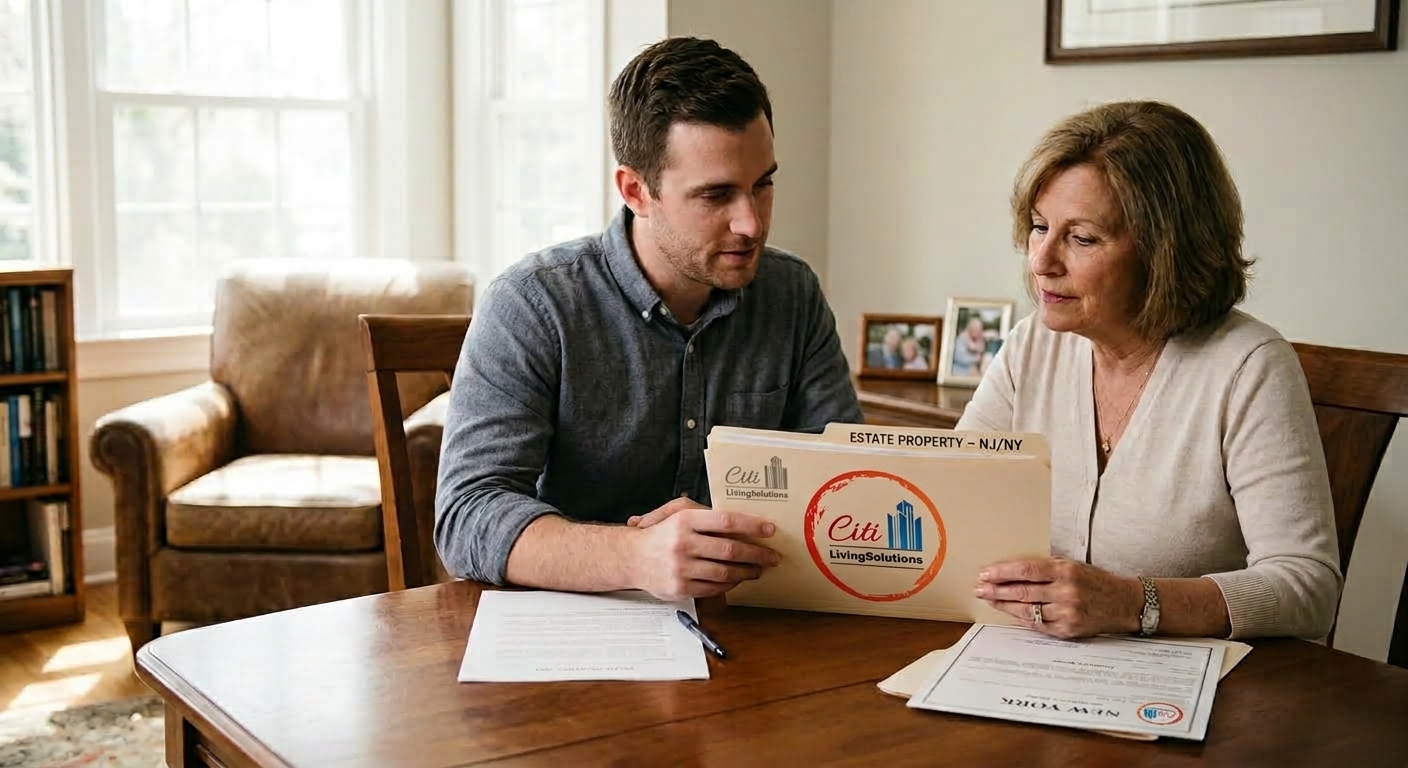
If you inherited a property involving household contents and family decisions, the first step is to slow down and separate the emotional decision from the practical one. An inherited home is an asset that needs to be understood before the family chooses what to do with it. Start by collecting the documents connected with the property: the deed or ownership information, property-tax records, mortgage or...

If you inherited a property involving estate authority and timing, the first step is to slow down and separate the emotional decision from the practical one. An inherited home is an asset that needs to be understood before the family chooses what to do with it. Start by collecting the documents connected with the property: the deed or ownership information, property-tax records, mortgage or lien...
Receiving a house after a loved one dies can feel overwhelming. The first goal is not to decide whether to sell; it is to protect the property and understand who has authority to act. Gather the deed or property records, latest tax bill, mortgage statement, insurance information, utility information, keys, alarm details and any lease documents. Preserve important papers and do not discard personal...
There is no universal timeline for selling a home. The time from listing to closing depends on price, condition, demand, financing, buyer qualifications, property type, and transaction complexity. The first phase is preparation. Repairs, cleaning, staging, photography, disclosures, and paperwork can take days or weeks depending on the property. Next comes the marketing period. Some homes receive...
Selling a property can create tax consequences, and sellers should understand the issue before listing rather than after the transaction closes. Capital gains generally relate to the difference between an asset's adjusted basis and the amount realized on a sale, subject to applicable tax rules. The calculation can be more complicated than simply subtracting the original purchase price from the sale...
Homeowners can technically explore many aspects of selling on their own, but the process involves far more than putting a property online. One of the biggest challenges is pricing. Sellers often have an emotional connection to their home, while buyers evaluate it based on market alternatives. A broker can provide an objective analysis using comparable sales and current competition. Marketing is...
Home staging is about helping buyers understand how a property can function and feel as their future home. Start by removing excess furniture and personal items. Rooms generally appear larger when there is clear walking space and less visual clutter. Cleanliness is essential. Kitchens and bathrooms deserve particular attention because buyers often use these areas to judge overall maintenance. Use...