
Real Estate

NJ & NY Real Estate Market Trends: What Buyers, Sellers and Investors Should Watch

Real estate markets are local, and NJ and NY can contain multiple market conditions at the same time. A buyer, seller, or investor should therefore watch several indicators rather than relying on a single headline. Inventory is one of the most useful indicators. When fewer homes are available relative to buyer demand, sellers may have more negotiating strength. Higher inventory can create more choices...

Short-Term Rentals in NJ & NY: Rules and Opportunities

Short-term rentals can create attractive revenue opportunities, but investors must research legality and operating economics before purchasing a property. The first question is whether short-term rental activity is permitted at the specific property. Rules can vary by state, municipality, zoning district, building, condominium association, cooperative, or homeowners association. Do not rely solely...

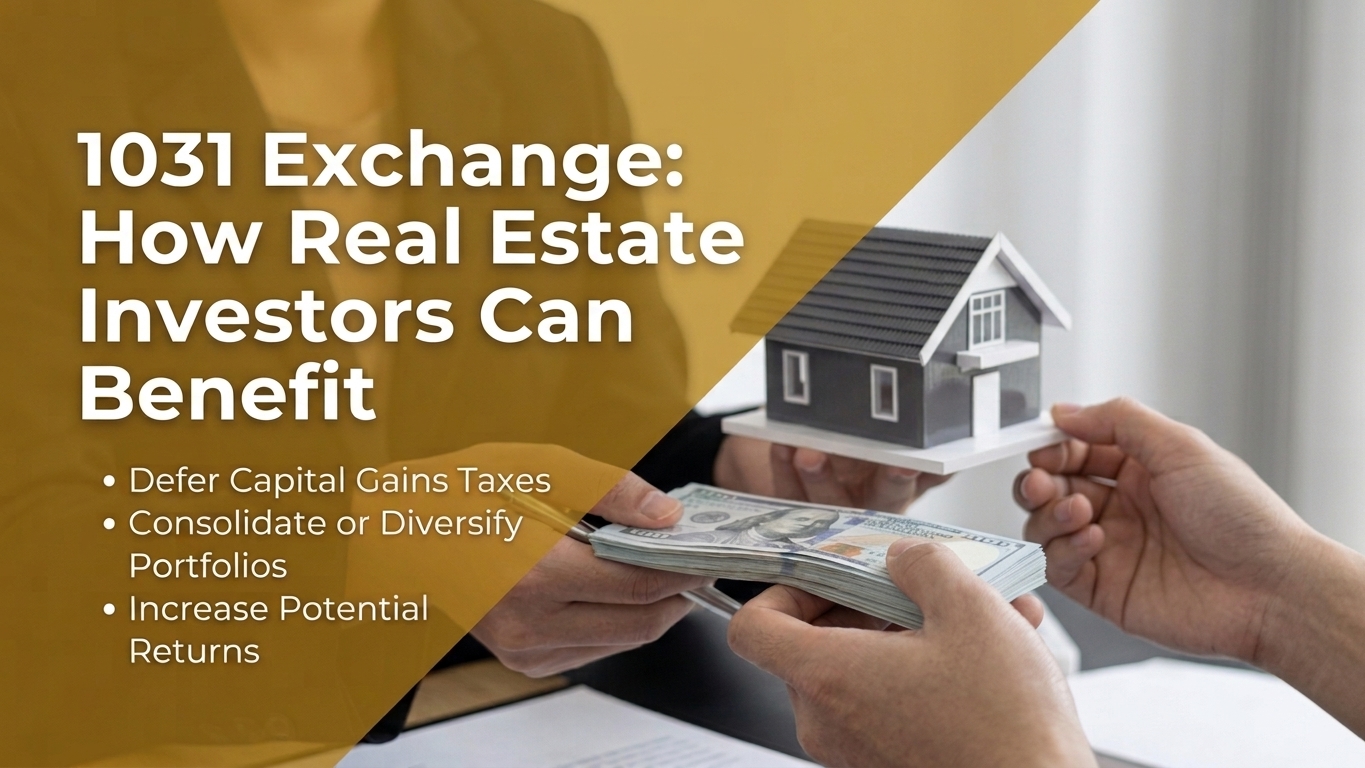
1031 Exchange: How Real Estate Investors Can Benefit

A 1031 exchange can allow qualifying real estate investors to defer recognition of certain gains when exchanging investment or business real property for qualifying replacement property. The strategy can be useful for investors who want to reposition a portfolio without immediately recognizing the full taxable gain that might otherwise result from a sale. However, a 1031 exchange is not simply a...

Understanding Cash Flow in Rental Properties

Cash flow is one of the most important concepts in rental real estate, but it is often misunderstood. Basic rental cash flow is the money left after rental income and expenses, including debt service. The challenge is determining which expenses belong in the model. Start with rent. Use realistic market rent and account for vacancy or collection losses. Then subtract operating expenses. Property...

BRRRR Strategy Explained for Real Estate Investors

BRRRR stands for Buy, Rehab, Rent, Refinance, Repeat. It is a strategy designed to recycle capital from one property into another. The process begins with buying a property that has value-add potential. The investor then completes renovations, places a qualified tenant, and seeks refinancing based on the property's updated value and financing criteria. If the refinance releases sufficient equity,...

How to Analyze a Rental Property Deal

A rental property should be evaluated using a complete financial model rather than rent minus mortgage. Begin with gross potential rental income. Then account for realistic vacancy and collection assumptions to estimate effective rental income. Next, list operating expenses. These may include property taxes, insurance, maintenance, repairs, management, utilities paid by the owner, landscaping,...